
−20 mmA wall graphic with no allowance for the kederThe fabric slides into the profile groove and eats 20 mm off every edge. With no allowance the logo ends up inside the keder, and the fix is a new print, not a new sticker.
From file to pallet
The route a file takes through the works, the machines with their formats, the substrates with their weights and the requirements a file has to meet. If a project goes beyond this list we say so at quotation.

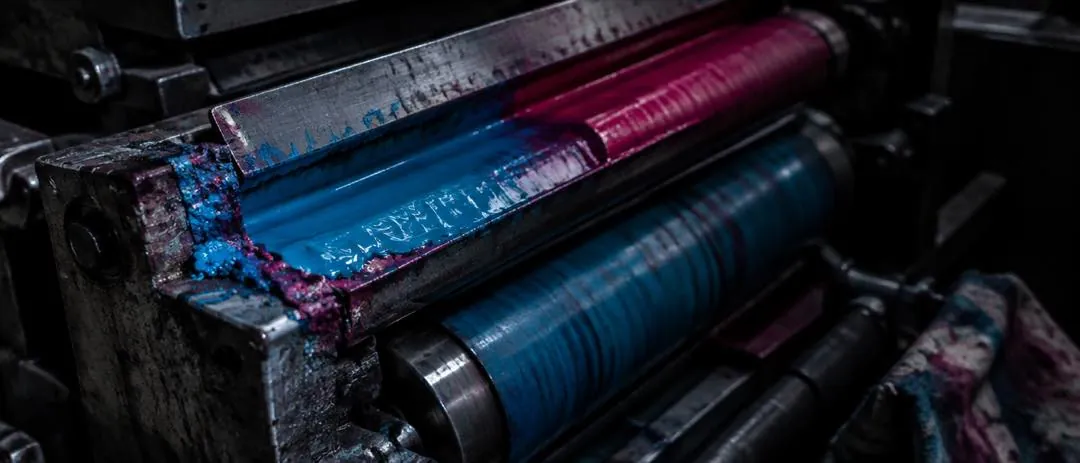

01 · Job ticket
Five steps between sending the file and the pallet in the hall. Each one names the machine from the table below and the time before the job moves on.
By link, not as an attachment. A 300 dpi PDF in large format can run past a gigabyte and the mailbox will bounce it, usually without telling anyone.
up to 5 GBThe checker reads bleeds, the profile, white overprint and black text sitting on the bleed. You get the report even when the file passes without comment.
40 minutesThe print lead time runs from your proof approval, not from the moment you order. The approval day is included in every lead time we quote.
1 working dayThe run size decides the press: from a single digital copy to ten thousand off the reel. Lamination and hot foil travel on the same job.
depends on the runThe stand number on the package, the fire certificate in a sleeve. The pallet leaves packed the way it has to stand in the hall, because otherwise it gets repacked at the gate.
1 working day02 · Machine park
The run length picks the machine: from one copy on digital to ten thousand on the web press.

488 × 320 mm
Substrates 60-350 g. Films up to 450 × 320 mm.
minimum run 1 copy
up to 5,000 mm
Solvent and UV. Roll-to-roll and flatbed.
minimum run 1 copy

B1 · 1,610 × 1,190
Four colours both sides. Three shifts a day.
minimum run 1,000 copies

reel
Four-colour heatset. Coldset 1+1.
minimum run 10,000 copies
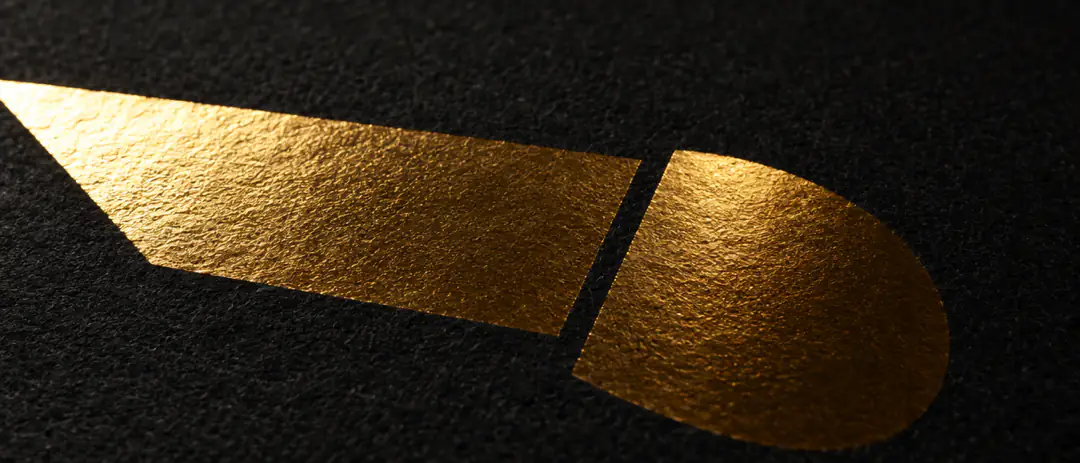
up to 1,020 × 720 mm
Lamination, spot varnish, embossing, hot foil.
minimum run 1 copy

PDF/X-4
Bleed 3 mm, Fogra51 and Fogra39 profiles. Design from scratch or a fix to your file. 3D stand visualisation before printing.
minimum run 1 file

seam up to 5,000 mm
Textile sewing, welding, eyelets. Kitting, labelling, packing and delivery to the hall address. Crews on site at shows in Poland.
minimum run 1 set
24 hExpress 24 h for walls, roll-ups and digital print. The surcharge is agreed at quotation and confirmed by phone before we take the job.+48 732 129 024
03 · Substrates
Weight decides whether a wall shows through and whether a banner survives wind. Below are the substrates we print on, with weight or thickness.

Bar: weight on a scale up to 510 g. Films and boards are given by thickness, so they have no bar.
04 · Print files
Format
PDF/X-4 · 3 mm bleed
PDF/X-4 or PDF 1.6 with 3 mm bleed and crop marks. For large format a 1:10 scale is fine, just say so.
Colour
CMYK · ISO Coated v2
CMYK, ISO Coated v2 for coated stock, PSO Uncoated for uncoated. Spot colours as Pantone, not as a similar CMYK mix.
Fonts and images
outlines · 300 dpi
Fonts converted to outlines. Images at 300 dpi in small format, 100-150 dpi when viewed from a few metres.
What we cannot take as is
Word, slides, scans
Word and presentation files, images pulled from the web and scanned logos. We will rework them, but that is a separate line in the quote and a separate day in the schedule.
Quotation
Tight deadline? WhatsApp is the fastest way.
WhatsApp · +48 732 129 024[email protected] · Mon-Fri 8:00-17:00